Table of Contents
- Understanding California’s Unfair Competition Law
- What Qualifies as Unfair, Unlawful, or Fraudulent
- Consumer Remedies Under the UCL
- False Advertising Claims
- Class Action Consumer Cases
- Statute of Limitations for UCL Claims
- Conclusion
Key Takeaways
- California’s UCL is the broadest unfair competition law in the nation
- UCL prohibits any unlawful, unfair, or fraudulent business practice
- Consumers can obtain restitution and injunctive relief through UCL claims
- False advertising violates both the UCL and California’s False Advertising Law
- Four-year statute of limitations applies to most UCL claims
California’s Unfair Competition Law provides consumers with powerful tools to combat deceptive and unfair business practices. Understanding these protections helps consumers recognize violations and pursue appropriate remedies. The consumer protection attorneys at Law Offices of Todd M. Friedman, P.C. regularly prosecute UCL cases, holding businesses accountable for unfair and deceptive practices.
Understanding California’s Unfair Competition Law
California Business and Professions Code Section 17200, known as the Unfair Competition Law (UCL), prohibits any unlawful, unfair, or fraudulent business act or practice. This intentionally broad language covers virtually any improper business conduct affecting California consumers.
What Qualifies as Unfair, Unlawful, or Fraudulent
“Unlawful” practices include violations of any law—federal, state, or local. A business violating the FDCPA, TCPA, or Truth in Lending Act also violates the UCL.
“Unfair” practices are those whose harm to consumers outweighs their utility. “Fraudulent” practices include conduct likely to deceive members of the public, even without proof of actual deception.
Consumer Remedies Under the UCL
Consumers can obtain restitution of money or property lost due to unfair practices and injunctive relief stopping ongoing violations. While the UCL does not provide for damages or attorney’s fees standing alone, these may be available through companion statutes.
False Advertising Claims
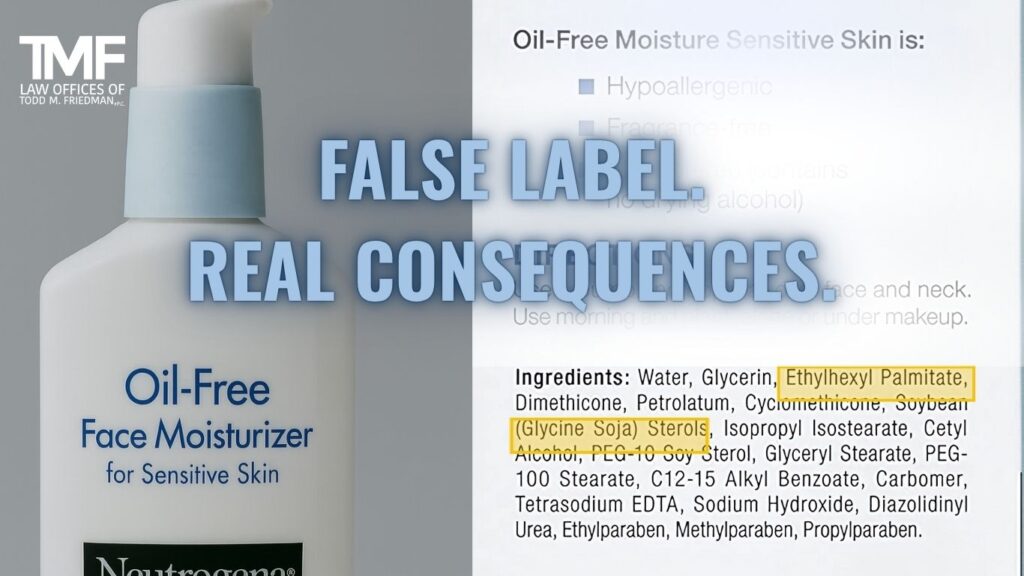
California’s False Advertising Law (Business and Professions Code Section 17500) prohibits untrue or misleading advertising. Combined with UCL claims, consumers can challenge deceptive marketing, hidden fees, bait-and-switch tactics, and misleading product claims.
Class Action Consumer Cases
UCL claims frequently proceed as class actions when businesses engage in practices affecting numerous consumers identically. Class actions aggregate claims, making it economically feasible to challenge widespread misconduct where individual damages are small.
Statute of Limitations for UCL Claims
The UCL has a four-year statute of limitations running from when the cause of action accrued. For ongoing violations, each instance of misconduct may restart the limitations period.
Conclusion: California’s Strongest Consumer Protection Tool
California’s Unfair Competition Law gives consumers one of the most powerful weapons against business misconduct available anywhere in the country. Whether you’re dealing with false advertising, hidden fees, deceptive marketing, or any other unfair business practice, the UCL provides a path to justice and restitution.
Law Offices of Todd M. Friedman, P.C. has prosecuted numerous successful UCL cases on behalf of California consumers, recovering millions in restitution and stopping unfair practices. Our consumer protection team understands how to build compelling UCL claims and pursue them as individual actions or class actions depending on the circumstances. If a business has treated you unfairly through deceptive practices, hidden fees, false advertising, or other misconduct, contact us today for a free consultation. We’ll evaluate your case and help you hold the business accountable under California’s consumer protection laws.